Ultimate Guide to Car Detailing Ceramic Coating
Ultimate Guide to Car Detailing Ceramic Coating: How It Works & Why You Need It…
You wash your car. You wax it. It looks great for a week — maybe two. Then the dust settles, the rains hit, and it looks like nothing happened at all.
Sound familiar?
If you’ve ever watched a freshly washed car turn dull within days, you’re not alone. Most car owners in India face this exact problem — especially in cities like Lucknow, where dust, heat, humidity, and unpredictable monsoons form a relentless attack on your vehicle’s paint.
The answer isn’t more frequent washes. It’s smarter, longer-lasting protection — and that’s exactly what ceramic coating delivers.
In this guide, we cover everything: what ceramic coating actually is, the science behind it, what it can and cannot do, the step-by-step application process, how to maintain it, and how to choose the right Ceramic Coating Service in Lucknow for your vehicle.
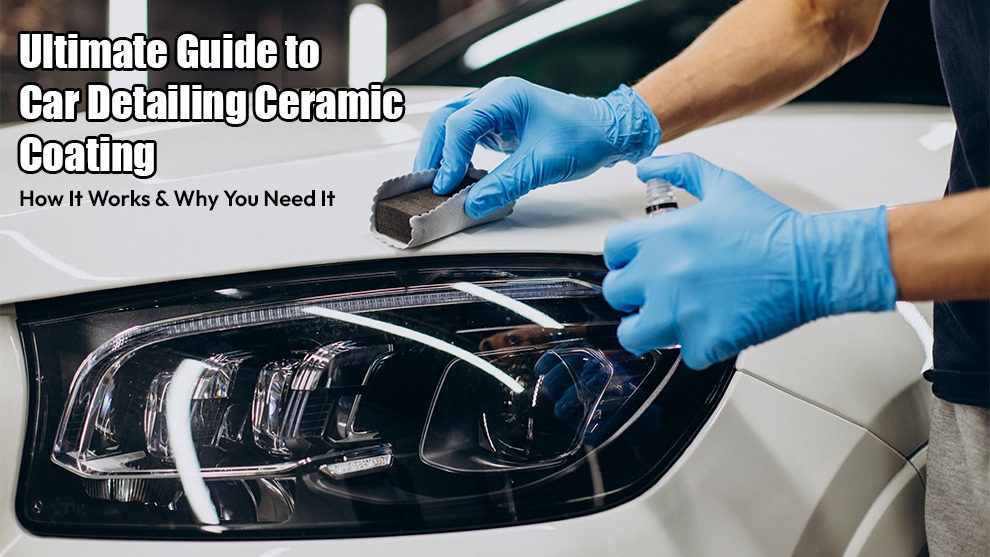
Ceramic coating is a liquid polymer — typically made from silicon dioxide (SiO₂) — that is applied to a car’s exterior surfaces by hand. Once it cures, it chemically bonds with the factory paint, creating a semi-permanent, nano-level protective layer on top of the clear coat.
Unlike car wax or paint sealants that simply sit on the surface and wash away over time, ceramic coating fuses with the paint at a molecular level. That means it cannot be removed by water, rain, or normal cleaning chemicals. The only way to remove it is by physical abrasion — either polishing or wet sanding.
Think of it as an invisible, glass-hard shell wrapped around your car’s body.
Here’s what most guides skip — and what you genuinely need to understand.
Your car’s paint, at a microscopic level, is full of tiny pores and imperfections. Dust, water minerals, bird droppings, tree sap, and UV rays gradually settle into these pores and cause oxidation, staining, and fading.
Ceramic coating fills and seals those micro-pores through a process called cross-linking polymerization. The SiO₂ nanoparticles in the liquid coating react with the surface, bonding covalently with the paint’s clear coat. The result is a surface that is:
The hardness of a ceramic coating is measured on the pencil hardness scale. Professional-grade coatings typically offer 9H hardness — the maximum on that scale — making the surface significantly more resistant to fine scratches, swirl marks, and marring.
Let’s cut through the marketing and talk about what ceramic coating genuinely offers.
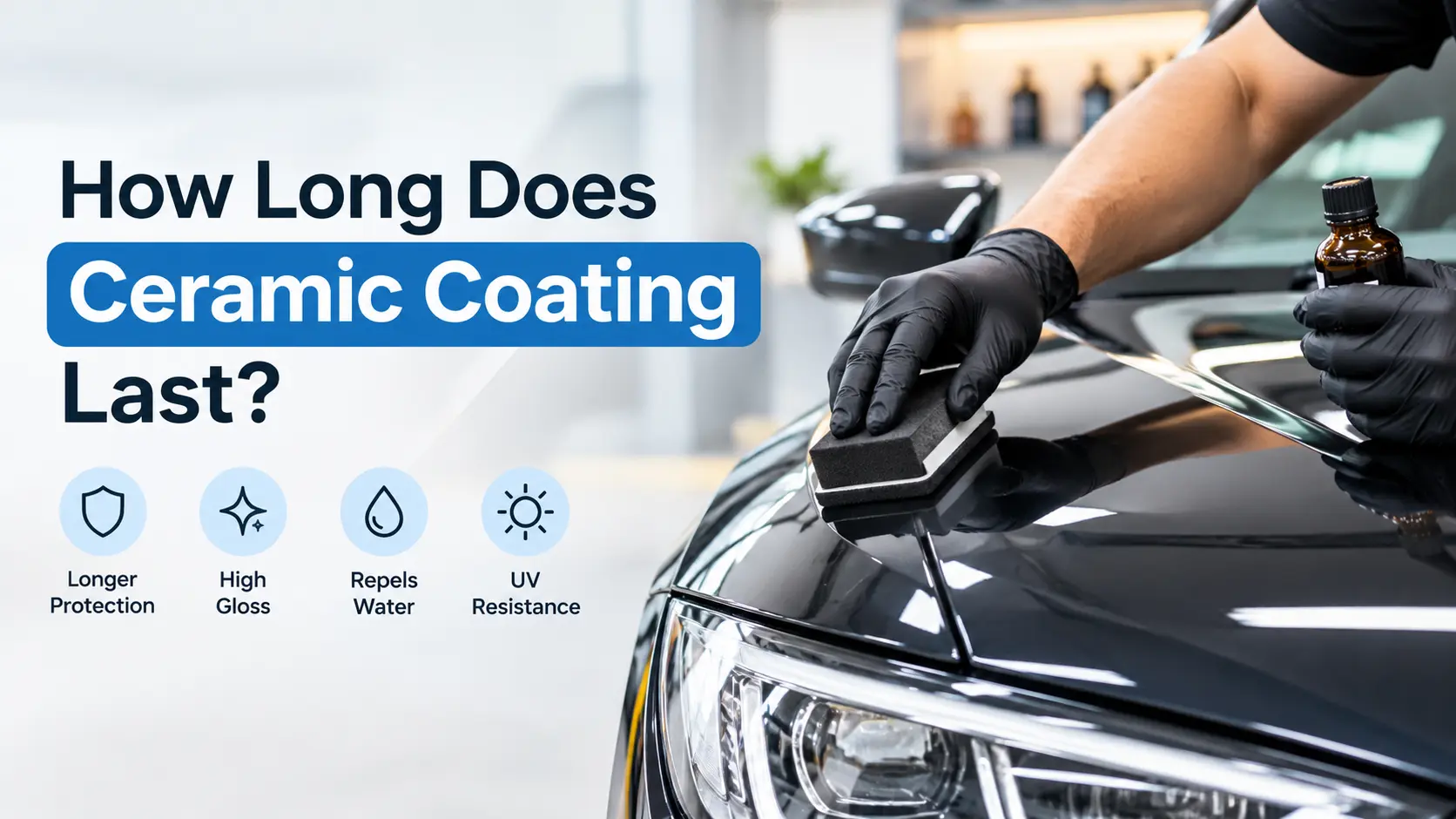
Standard car wax lasts 4–8 weeks. A quality ceramic coating, when professionally applied, lasts anywhere from 2 to 7+ years depending on the product tier and maintenance routine.
The water-beading effect isn’t just satisfying to look at — it’s functional. When water rolls off effortlessly, it takes dust, bird droppings, and road grime with it. Your car stays cleaner between washes, and the washing itself takes far less effort.
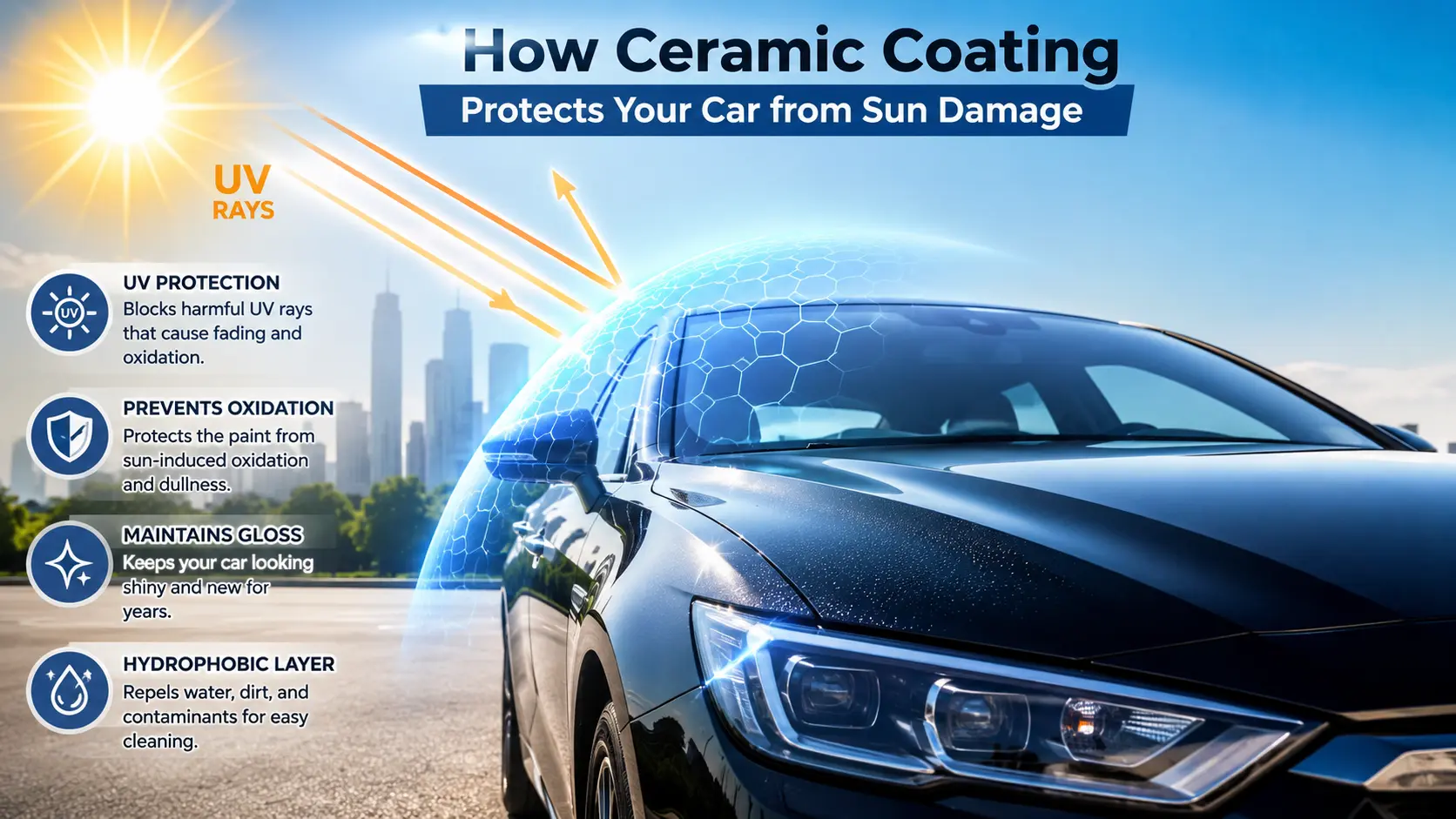
Prolonged sun exposure causes paint to fade, oxidise, and lose its depth of colour. Ceramic coating acts as a UV filter, significantly slowing this process — critical in Lucknow’s intense summer heat.
Acidic rain, tree sap, industrial fallout, and bird droppings can etch into unprotected paint within hours. A ceramic-coated surface resists these chemicals and buys you more time to clean them off without permanent damage.
Ceramic coating enhances the reflective depth of your car’s paint colour, giving it that “just left the showroom” look — consistently, for years.
Regular cleaning becomes faster and less labour-intensive. Because dirt doesn’t bond as deeply to the hydrophobic surface, a simple hand wash often restores the full shine.
A well-maintained ceramic-coated car commands better resale value. It’s a visible, verifiable signal that the owner cared for the vehicle.
This is where most guides let you down by overpromising. Let’s set realistic expectations.
Not all ceramic coatings are equal. Here’s a quick breakdown:
Type | Durability | Best For |
Consumer / DIY Spray Coating | 6 months – 1 year | Budget-conscious owners, beginners |
Entry-Level Professional Coating | 1–2 years | Daily-use vehicles needing basic protection |
Mid-Range Professional Coating | 3–5 years | Enthusiasts and newer vehicles |
Premium / Graphene-Infused Coating | 5–9 years | High-end and luxury vehicles |
Graphene-ceramic hybrid coatings are the latest advancement. They combine SiO₂ ceramic with graphene for improved heat dissipation, water spot resistance, and hardness — ideal for Lucknow’s extreme summer conditions.
Understanding the application process helps you evaluate whether a service provider is doing the job properly. Here is what a professional application looks like.
A thorough wash using pH-neutral shampoo, iron remover spray, and a clay bar. This removes all surface bonded contaminants — brake dust, iron particles, industrial fallout — that could prevent the coating from bonding properly.
Using a dual-action or rotary polisher with cutting compounds, the technician removes swirl marks, light scratches, water spots, and oxidation. This step is non-negotiable. Any defect sealed under the coating will be magnified and permanent.
This is also the most time-intensive part — and the step where bargain services cut corners.
The paint is wiped down with an IPA (isopropyl alcohol) solution to remove all polish residue and oils. The surface must be chemically clean before coating.
Using an applicator block wrapped in a suede applicator cloth, the technician applies the coating panel by panel, working in cross-hatch strokes (horizontal then vertical). As the coating flashes, a light haze appears — the signal that it’s bonding.
The haze is then levelled off with a clean microfibre cloth before it cures too hard.
The vehicle is kept dry and untouched for a minimum of 24–48 hours. Premium studios use infrared curing lamps to accelerate and deepen the cure, improving the hardness and longevity of the coating.
Under controlled LED lighting, technicians inspect every panel for high spots, streaks, or missed areas. Any imperfections are corrected at this stage.
The full process typically takes 1 to 3 days, depending on paint condition and the number of coating layers.
Feature | Wax | Ceramic Coating | PPF |
Durability | 4–8 weeks | 2–9 years | 5–10 years |
Hydrophobic Effect | Low | High | Medium |
Scratch Resistance | Minimal | Moderate | Excellent |
UV Protection | Low | High | High |
Self-Healing | No | No | Yes (some) |
Cost | Low | Medium–High | High |
Best Use | Budget maintenance | All-round protection | Impact-prone areas |
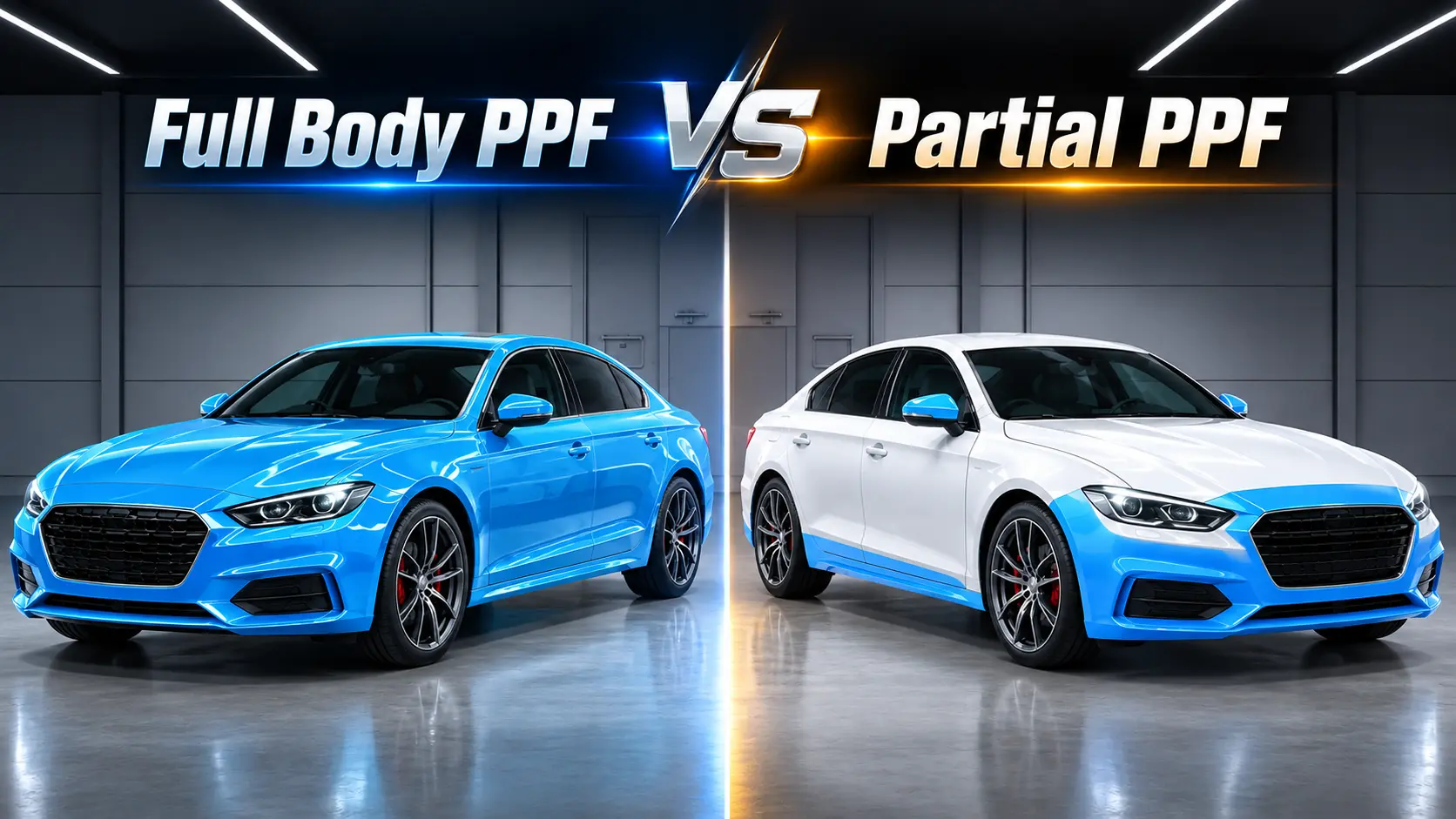
Many car owners in Lucknow opt for a combination of PPF on the front bumper, hood, and mirrors, with ceramic coating over the full body — getting the best of both worlds.
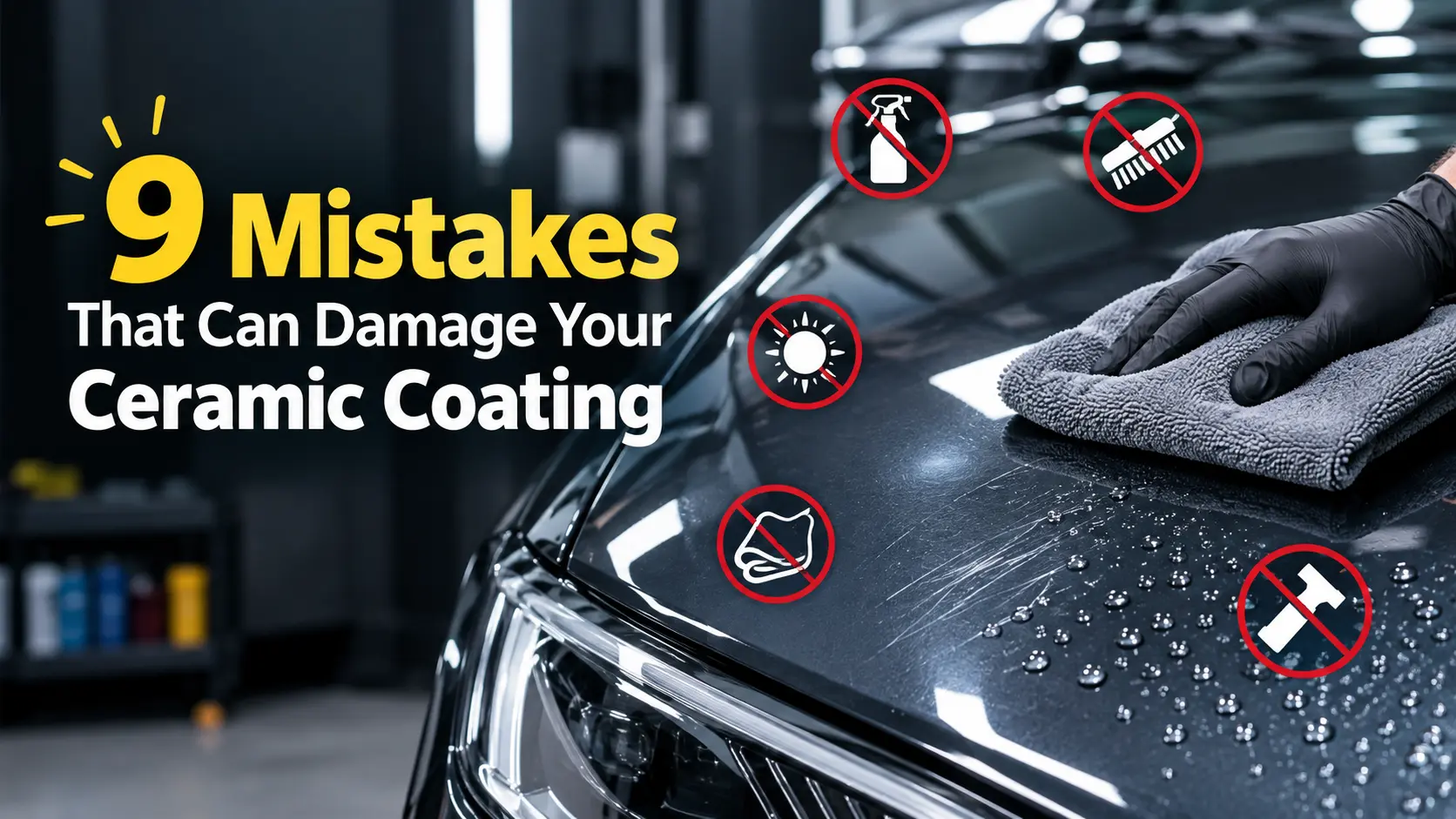
A ceramic coating is durable but not invincible. How you maintain it directly affects how long it lasts and how well it performs.
Do this regularly:
Avoid these:
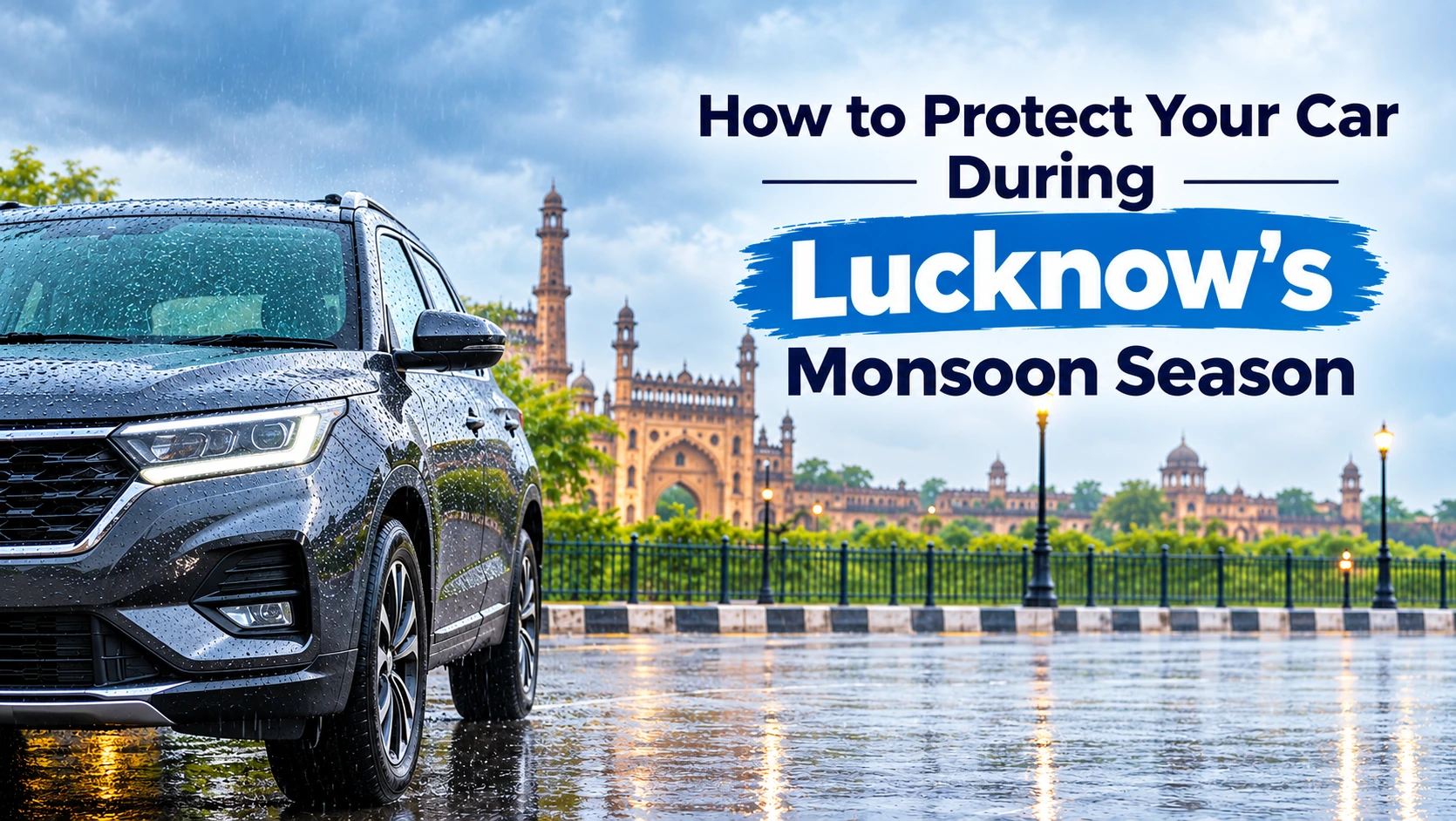
Lucknow presents a specific combination of environmental challenges that makes paint protection far more important than in many other cities.
A properly applied ceramic coating addresses all four of these simultaneously — making it one of the smartest investments you can make in your vehicle’s longevity here.
Not every detailing studio offers the same quality. Here’s what to look for before you commit.
Ask these questions:
Red flags to avoid:
A quality service will be transparent about every step, use branded coating products, and back their work with a documented warranty.
Ceramic coating is not magic. It is not scratch-proof armour or a substitute for responsible care. But it is one of the most effective, science-backed paint protection technologies available today — and it has fundamentally changed what long-term car care looks like.
If you drive through Lucknow’s dusty summer roads, park under trees, deal with monsoon mineral deposits, or simply want your car to look its best for years without constant effort — ceramic coating is a decision that pays for itself.
The key is choosing the right professionals, insisting on proper paint correction before application, and following through on simple maintenance habits.
Your car represents a significant investment. Protect it like one.
Ready to give your vehicle the protection it deserves? Look for a certified, experienced detailing studio that uses professional-grade products, includes paint correction in their package, and backs their work with a clear warranty.
It depends on the product tier and maintenance. Consumer-grade DIY coatings last 6 months to 1 year. Professional mid-range coatings last 3–5 years. Premium graphene-ceramic coatings can last 7–9 years with proper maintenance. Regular ceramic booster applications extend the life further.
Ceramic coating can be applied to any car regardless of age — but the paint condition matters. Older cars often need more extensive paint correction before coating. Once that prep work is done properly, older vehicles benefit just as much as new ones. In fact, coating an older car after a good paint correction can make it look better than it has in years.
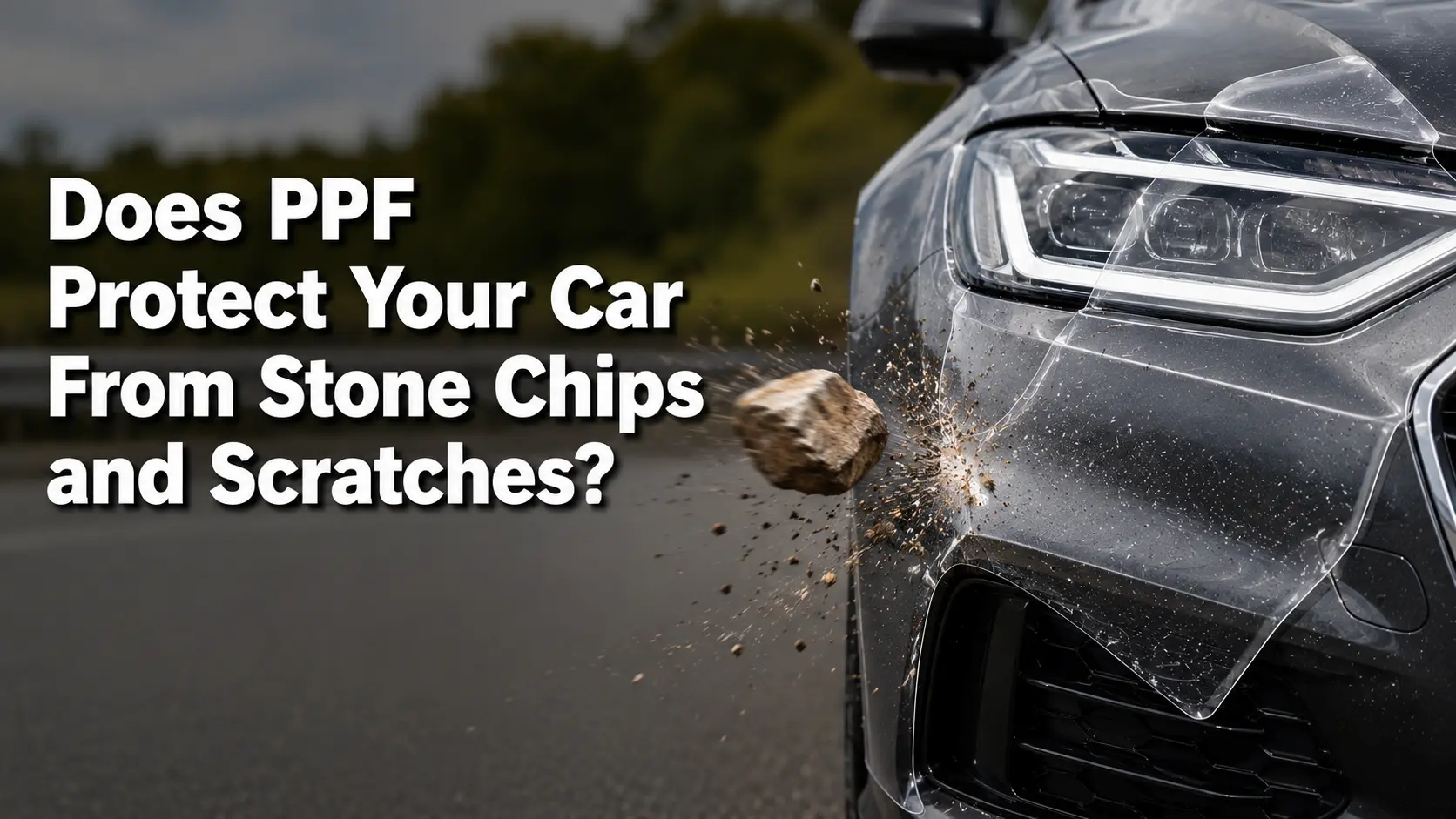
No. Ceramic coating provides resistance to fine swirl marks, light surface scratches, and marring that occur during normal washing. It does not prevent rock chips, deep key scratches, or impact damage. If scratch resistance against impacts is your primary concern, consider Paint Protection Film (PPF) for high-exposure areas.
Most professional ceramic coatings require a minimum of 5–7 days before the first wash to allow full curing. During this period, the car should be kept dry and away from direct rain. Your service provider will give you specific aftercare instructions based on the product used.
For most car owners, yes — especially if you plan to keep the vehicle for 3+ years. While the upfront cost is higher than waxing, ceramic coating eliminates the need for frequent waxing and significantly reduces detailing costs over time. It also protects your paint from long-term damage that is expensive to repair, and it maintains the car’s resale value. In cities like Lucknow with harsh environmental conditions, the value proposition is even stronger.
Ultimate Guide to Car Detailing Ceramic Coating: How It Works & Why You Need It…
5 Crucial Things You Must Do Immediately After Buying a New Car Taking delivery of…
Is Car Paint Correction Safe? Everything You Need to Know Before Detailing You love your…
PPF vs. Ceramic Coating In Lucknow: Which is Better for Your Car? Getting a new…
How Much Does Ceramic Coating Cost for Cars in Lucknow? Ceramic coating is a popular…
Real Customer Stories: How Always Dry Lucknow Made Cars Look Brand New Ever wondered how…
Best Practices for Car Maintenance in Lucknow’s Dusty and Humid Climate Lucknow’s unique climate presents…
Why Always Dry Lucknow Is the Top Choice for Car Care Services in the City…
Seasonal Car Maintenance Tips for Lucknow Drivers: An Advance Guide Lucknow’s diverse climate presents unique…
How Ceramic Coating and PPF Protect Your Car Against Lucknow’s Weather Lucknow’s weather can be…