Always Dry Lucknow

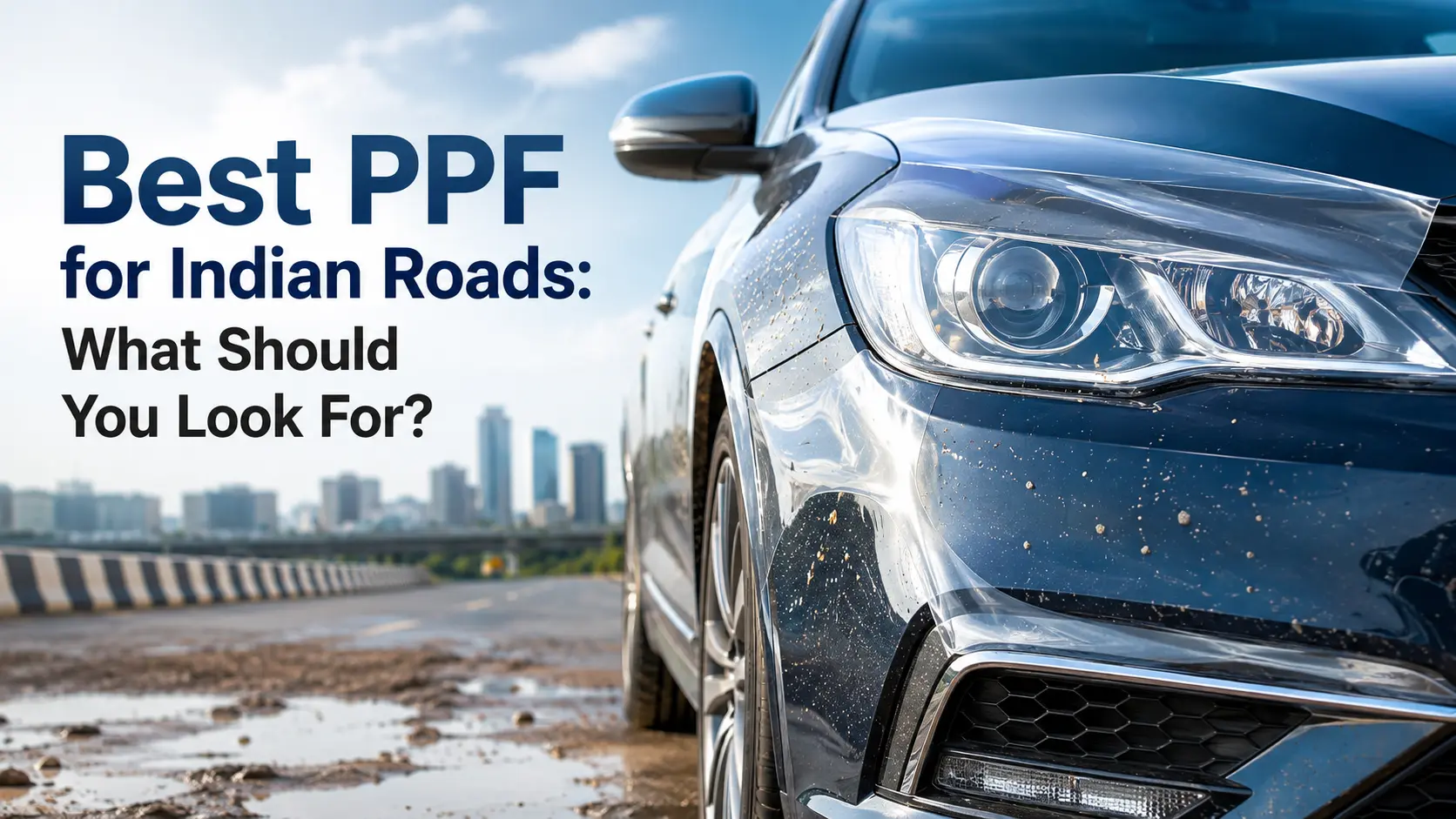
Best PPF for Indian Roads: What Should You Look For?

lucknow

Potholes, stray gravel, blazing summers, and bumper-to-bumper traffic — Indian roads are brutal on car paint. If you’ve been searching for the best paint protecting films in lucknow, you already know the struggle of keeping a car looking showroom-fresh. The good news? A single smart decision on ppf in lucknow can save you years of scratches, stone chips, and dull paint. This guide breaks down exactly what to check before you book an appointment, and why car owners across the city trust Always Dry Lucknow to get it right the first time.

Why Indian Roads Are So Hard on Car Paint

Before picking a film, it helps to understand what you’re actually protecting against. Lucknow’s roads throw a lot at your car:

  • Scorching summers that fade paint and cause yellowing over time
  • Monsoon moisture that seeps into micro-scratches and causes corrosion
  • Loose gravel and potholes that chip paint on bumpers and hoods
  • Heavy dust and pollution that dulls the finish within months
  • Crowded parking that invites door dings and minor scuffs

None of this is going away. So the real question isn’t whether your car needs protection — it’s which film can actually handle this environment without peeling, yellowing, or cracking within a year or two.

What Makes a PPF Genuinely Good

Most people compare paint protection films by price alone. That’s a mistake. Here’s what actually separates a good film from a bad one.

1. The Material: TPU vs Cheap PVC

Quality films are made from thermoplastic polyurethane (TPU), not cheap PVC. TPU is flexible enough to wrap around curves without cracking, and it holds up far better under Indian heat.

  • PVC films turn brittle and yellow within a year
  • TPU films stay clear and flexible for years
  • Ask your installer directly what material they use — a genuine shop will tell you upfront
2. Self-Healing Properties

This is the feature that separates premium films from basic ones. A self-healing film can recover from light swirl marks and fine scratches simply through heat exposure — sunlight or warm water is often enough. If your car picks up daily micro-scratches from washing or dust, this single feature pays for itself.

3. Thickness Actually Matters

Thicker films absorb more impact from stone chips and gravel. Look for films offering meaningful coverage — anything close to 150-200 microns gives real protection against Indian road debris, not just a cosmetic layer.

4. Hydrophobic and Anti-Stain Coating

A good film should repel water, bird droppings, tree sap, and road tar before they bond to the paint. This keeps your car cleaner for longer and makes washing far easier.

5. UV and Anti-Yellowing Protection

Cheap films go cloudy or yellow after one aggressive summer. A properly formulated top layer blocks UV rays without discoloring, keeping the finish looking factory-fresh for years, not months.

6. Installation Quality

Even the best film performs poorly if installed badly. Air bubbles, uneven edges, or lifted corners aren’t a film problem — they’re an installer problem. This is where experience matters more than the brand sticker.

Types of PPF You'll Come Across

Not every car needs the same coverage. Here’s a quick breakdown:

  • Clear/Gloss PPF – Standard choice, invisible finish, protects without changing the look
  • Matte PPF – Converts a glossy car into a matte finish while still protecting the paint
  • Colored PPF – Adds a tint or shade change along with protection
  • Full-Body PPF – Covers the entire car for maximum protection
  • Partial PPF – Covers high-impact zones like the bumper, hood, mirrors, and door edges

For most Lucknow drivers dealing with daily traffic and occasional highway runs, either full coverage or a strong partial package on high-impact panels makes the most sense.

What to Actually Ask Before Booking

Use this before you commit to any installer:

  • What material is the film made of, and is it genuinely self-healing?
  • What’s the film thickness, and does it come with a warranty?
  • Can they show before-after photos of actual cars they’ve worked on?
  • Do they offer paint correction before applying the film, or do they slap it straight on unprepared paint?
  • What’s the estimated installation time, and do they use a dust-free space?
  • Is aftercare guidance included — what products are safe, what to avoid?

If an installer can’t answer these clearly, that’s a red flag regardless of how cheap the quote is.

Common Mistakes Car Owners Make

  • Choosing the lowest quote without checking the film brand or thickness — cheap film usually means cheap material that yellows fast
  • Skipping paint correction before installation — trapping swirl marks and imperfections under the film locks them in permanently
  • Ignoring the installer’s experience — a great film badly applied still looks bad
  • Not asking about warranty terms — a real warranty tells you the installer trusts their own work
  • Washing the car too soon after installation — the film needs time to cure and bond properly

Why Professional Installation Changes Everything

A paint protection film is only as good as the hands applying it. Precision cutting, proper edge wrapping, and bubble-free application require real experience — not just a heat gun and good intentions. This is exactly where Always Dry Lucknow stands out. The team focuses on protecting the panels that take the most abuse — front bumpers, hoods, side mirrors, door handle cavities, door edges, rocker panels, and rear fender panels — using film built with self-healing TPU and a durable top layer designed for tough weather.

If you’re comparing paint protection films for your car, it’s worth having a quick conversation before deciding. A short consultation can tell you whether full coverage or a targeted panel package fits your driving pattern and budget better.

Want a straightforward answer on what your car actually needs? Reach out to Always Dry Lucknow for a no-pressure assessment before your next long drive or car wash.

Beyond PPF: Should You Pair It With Ceramic Coating?

Many car owners ask whether they need both a film and a ceramic coating. They solve different problems. PPF is a physical barrier against impact, chips, and scratches. Ceramic coating adds gloss, water repellency, and easier cleaning on the panels not covered by film. Pairing both gives you impact protection plus a deeper shine — a combination increasingly common among car owners who want their vehicle to look new for years, not just months.

If your budget allows it, ask your installer whether a combined approach makes sense for your specific car and usage.

Final Thoughts

Indian roads aren’t getting any smoother, and Lucknow’s mix of heat, dust, and traffic makes paint protection less of a luxury and more of a practical decision. The right film — genuine TPU material, real self-healing properties, adequate thickness, and most importantly, a skilled installer — can keep your car looking new for years. Skip the cheapest quote, ask the right questions, and choose an installer who can actually explain what you’re paying for.

Ready to protect your car the right way? Get in touch with Always Dry Lucknow and find out which protection package fits your vehicle best.

Frequently Asked Questions (FAQs)

A quality, well-installed film typically lasts anywhere from 5 to 10 years, depending on the material, thickness, and how the car is maintained. Cheaper films may start yellowing or peeling within a year or two.

No. Standard clear PPF is virtually invisible and doesn’t alter your car’s original color. If you want a different look, matte or colored film options are available separately.

Yes, films with genuine self-healing technology can recover from light swirl marks and fine scratches when exposed to heat, such as direct sunlight or warm water. It won’t fix deep gouges, but it handles daily wear well.

It depends on your driving pattern. If you drive mostly in the city with occasional highway trips, a partial package on the bumper, hood, mirrors, and door edges usually covers the highest-risk areas. Frequent highway drivers benefit more from full-body coverage.

Most installers recommend waiting at least a week before washing, and avoiding high-pressure water or harsh chemicals during that period, so the film can fully cure and bond to the surface.

Latest Blogs
Full Body PPF vs Partial PPF: Which Is Better for Your Car?
22Aug

Full Body PPF vs Partial PPF: Which Is…

Full Body PPF vs Partial PPF: Which Is Better for Your Car? You’ve decided to…

Get In Touch
Other Resources
What Our Client Says
lucknow
Raghav Mishra

Amazing car detailing! My vehicle looks brand new after their exceptional ceramic coating service.

lucknow
Arti Yadav

Outstanding PPF installation in Lucknow! My car's paint is flawlessly protected, shiny, and looks brand new!

lucknow
Sakeena Khan

Efficient and thorough car wash service, delivering spotless results and exceeding expectations every single time!

Limited Offer!!!