Always Dry Lucknow

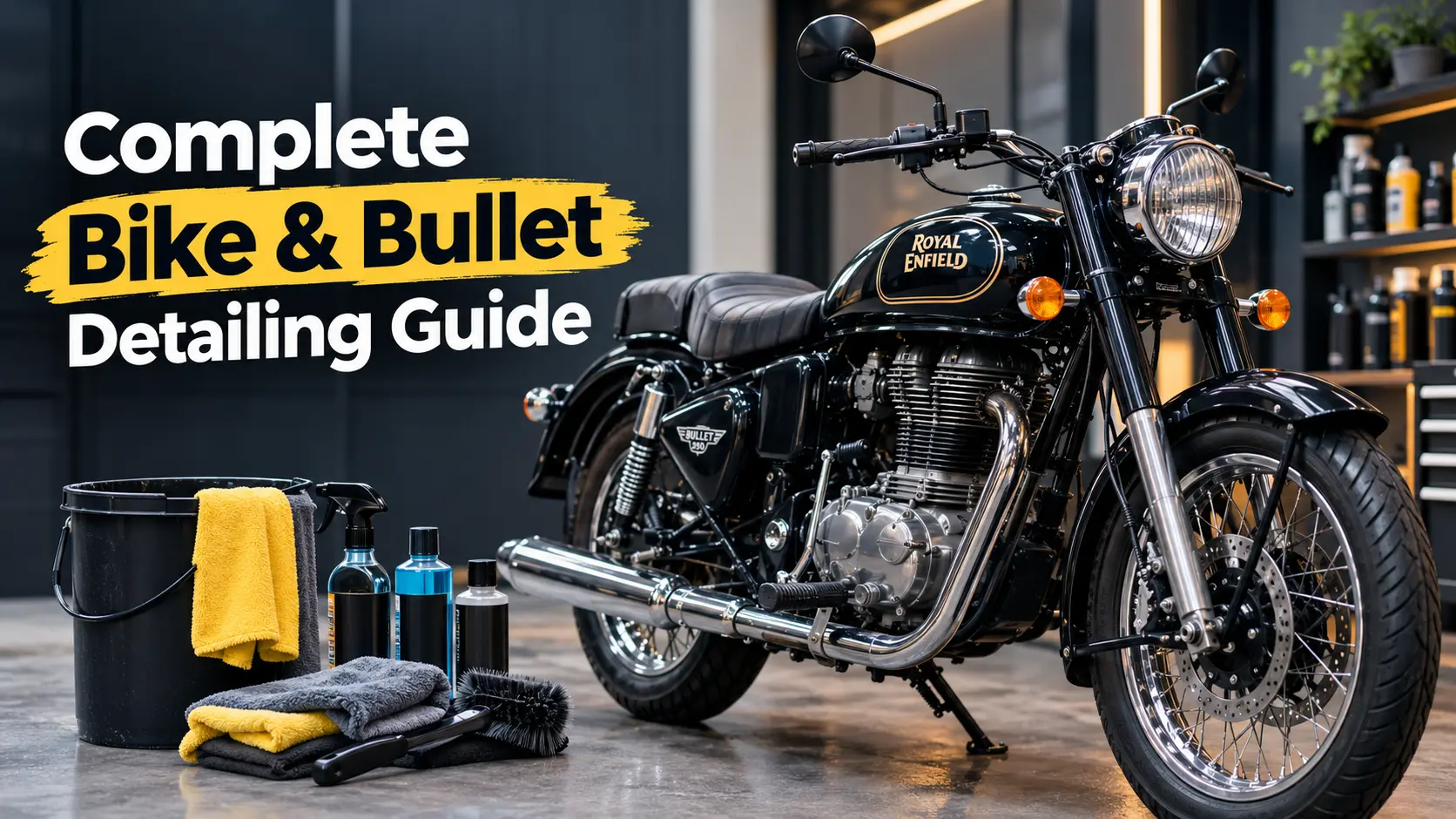
Complete Bike & Bullet Detailing Guide: Restoration Services in Lucknow

lucknow

Your bike has seen monsoons, dust storms, and a hundred Lucknow traffic jams — and it shows. That faded paint, dull chrome, and stubborn grime aren’t just cosmetic problems; they’re signs your motorcycle is asking for proper care, not just another quick wash.

Whether you ride a sporty commuter or a classic Royal Enfield Bullet, this guide breaks down everything you need to know about professional bike and bullet detailing and restoration — what it actually involves, why it matters, and how to choose the right service in the city.

What Is Bike Detailing, Really?

A lot of riders confuse detailing with washing. They’re not the same thing.

A regular wash removes surface dirt. Detailing goes much deeper — it’s a meticulous, multi-stage process that cleans, corrects, protects, and restores every visible and hidden surface of your motorcycle, from the fuel tank to the engine fins.

Think of it this way:

  • Washing = removing dust
  • Detailing = restoring shine, removing scratches, protecting paint
  • Restoration = reviving an aged or neglected bike to near-original condition

For an everyday motorcycle, detailing keeps things fresh. For a Bullet or any older, heavier bike, detailing often overlaps with restoration — especially when chrome has dulled, paint has oxidized, or rubber parts have cracked from sun exposure.

Why Bullets Need a Different Approach Than Regular Bikes

Royal Enfield Bullets are built differently, and that changes how they should be cleaned and maintained.

  • Heavier chrome components that oxidize and pit over time
  • Thicker paint layers that are prone to fading and clear-coat peeling
  • Exposed engine parts that trap oil, dust, and road grime in hard-to-reach fins
  • Vintage or classic models that need gentler, restoration-grade products instead of harsh chemicals

A technician who treats a Bullet like any other commuter bike can actually cause more damage — stripping original paint or scratching chrome with the wrong polish. This is where experience matters more than equipment.

The Core Stages of a Professional Detailing Process

A genuinely thorough detailing session usually follows these stages:

1. Pre-Wash Inspection

Technicians check for existing scratches, rust spots, chain condition, and paint damage before touching any chemical on the bike. This step prevents accidentally rubbing dirt into the paint during washing.

2. Foam Wash & Decontamination

A pH-balanced foam wash lifts dirt without scratching the surface. Clay bar treatment follows to remove embedded particles like tar, brake dust, and industrial fallout that a regular wash can’t touch.

3. Paint Correction

This is where swirl marks, light scratches, and dull patches get buffed out using machine polishers and graded compounds — restoring gloss without removing extra paint.

4. Chrome & Metal Restoration

Chrome parts (especially crucial for Bullets) are polished separately using non-abrasive metal polish to bring back their mirror shine without pitting the surface further.

5. Engine & Underbody Degreasing

Years of oil leaks and road grime build up around the engine and chassis. Careful degreasing here improves both looks and long-term part health.

6. Protective Coating Application

A ceramic coating, wax, or sealant locks in the shine and creates a barrier against UV rays, water, and dust — so the bike stays cleaner for longer between washes.

7. Final Detailing Touches

Tyre dressing, seat conditioning, and a final inspection round off the session, leaving the bike looking showroom-ready.

Signs Your Bike Actually Needs Detailing (Not Just a Wash)

Not sure if your bike needs a full detailing session? Watch for these signs:

  • Paint looks dull or faded even right after a wash
  • Chrome parts have started showing water spots or light rust
  • Swirl marks or fine scratches are visible under sunlight
  • The bike smells musty or oily even after cleaning
  • Rubber grips, seat, or tyres look dry and cracked
  • It’s been 6+ months since your last proper detailing session

If two or more of these apply, it’s time for a professional session rather than another trip through a regular wash point.

DIY vs Professional Detailing: What’s the Real Difference?

Many riders attempt detailing at home with store-bought polish and microfiber cloths — and that’s fine for light maintenance. But professional detailing offers things a home setup simply can’t match:

  • Machine polishing tools that correct paint evenly without burning through clear coat
  • Graded, bike-specific chemicals instead of generic car products
  • Trained eyes that catch early rust or paint issues before they worsen
  • Proper curing time and technique for coatings, which affects how long protection lasts

DIY detailing is a good habit between professional sessions — but it shouldn’t replace them, especially for Bullets with chrome and vintage paint that need specialized handling.

How Often Should You Get Your Bike Detailed?

This depends on usage and exposure, but a general rule of thumb works well:

  • Daily commuters in dusty or polluted areas: every 3-4 months
  • Occasional riders: every 6 months
  • Bullets and classic bikes: every 4-6 months, with extra attention to chrome
  • After monsoon season: always schedule a detailing session, since rainwater accelerates rust and paint damage

Riding through Lucknow’s mix of dust, humidity, and seasonal rain genuinely speeds up wear and tear, so sticking closer to the shorter intervals is usually worth it.

Finding a Reliable Bike Detailing Service in Lucknow

If you’re searching for a dependable Bike Detailing Service in Lucknow, the quality gap between providers can be huge. Some outfits just run bikes through a quick wash-and-polish cycle; others follow the full multi-stage process described above.

Here’s what to actually check before booking:

  • Experience with both modern bikes and Bullets — chrome and vintage paint need different handling
  • Transparent process explanation — a good studio should walk you through what each stage involves
  • Use of branded, bike-safe chemicals — not diluted car-wash products
  • Before-and-after photos or reviews from real customers
  • Clear pricing with no hidden add-ons for “extra” services

Studios like Always Dry Lucknow have built their reputation around this exact combination — structured detailing stages, experienced technicians who understand both commuter bikes and Bullets, and visible before-and-after results that speak for themselves. Taking the time to compare a couple of studios before booking is always worth the five extra minutes.

Caring for Your Bike Between Detailing Sessions

Professional detailing lasts longer when you support it with small habits at home:

  • Rinse off dust and mud within a day or two of riding through bad weather
  • Avoid parking directly under harsh sun for long hours when possible
  • Wipe down chrome parts with a dry microfiber cloth regularly
  • Use a breathable bike cover during monsoon or dusty seasons
  • Avoid harsh dishwashing soap, which strips wax and ceramic coatings faster

These small steps extend the life of any professional coating or polish and reduce how often deep correction is needed.

Final Thoughts

A motorcycle isn’t just transport — for many riders, especially Bullet owners, it’s a long-term relationship. Treating it to proper detailing isn’t vanity; it’s maintenance that protects paint, prevents rust, and keeps resale value intact.

If your bike has gone too long without real attention, don’t wait for the next ride to make that obvious. A structured detailing session — done by someone who understands the difference between a commuter bike and a Bullet — can genuinely bring your motorcycle back to life.

Ready to see your bike shine like new? Book a session with a trusted local studio and give your ride the care it has earned.

Frequently Asked Questions (FAQs)

 Most sessions take between 2 to 5 hours, depending on the bike’s condition, size, and the level of service chosen — basic wash-and-polish sessions are quicker, while full paint correction and coating take longer.

 Yes, as long as the technician uses restoration-grade, low-abrasive products suited to vintage paint and chrome. This is why choosing an experienced studio matters more for Bullets than for newer bikes.

 Yes. Ceramic coating adds a protective layer that resists UV damage, water spots, and dust buildup, which means the bike stays cleaner for longer and the paint ages more slowly.

Light surface rust can often be polished out, but deeper pitting usually requires rechroming rather than detailing. A good technician will tell you honestly which category your bike falls into.

 Most coatings need 12 to 24 hours to properly cure, so it’s best to avoid washing or riding through heavy rain or dust immediately after a session.

Latest Blogs
Bike & Bullet Detailing Guide: Restoration Services Explained
16Oct

Bike & Bullet Detailing Guide: Restoration Services Explained

Complete Bike & Bullet Detailing Guide: Restoration Services in Lucknow Your bike has seen monsoons,…

Get In Touch
Other Resources
What Our Client Says
lucknow
Raghav Mishra

Amazing car detailing! My vehicle looks brand new after their exceptional ceramic coating service.

lucknow
Arti Yadav

Outstanding PPF installation in Lucknow! My car's paint is flawlessly protected, shiny, and looks brand new!

lucknow
Sakeena Khan

Efficient and thorough car wash service, delivering spotless results and exceeding expectations every single time!

Limited Offer!!!