Always Dry Lucknow

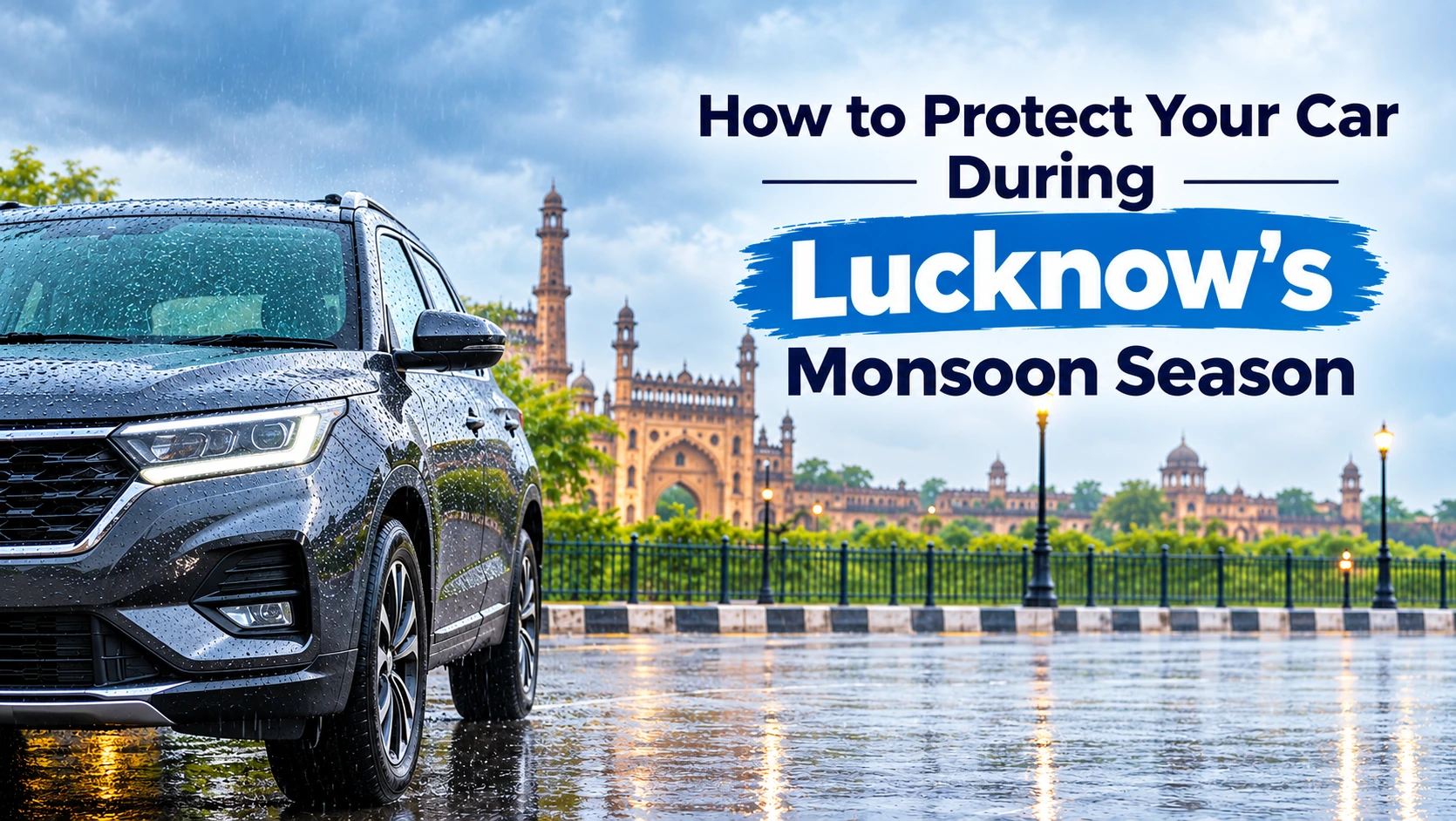
How to Protect Your Car During Lucknow's Monsoon Season

lucknow

Rain is falling. Your car is parked outside. And somewhere under that gray sky, tiny drops of acid rain, grime, and road grit are already going to work on your paint.

You don’t see it happening. That’s the problem.

By the time monsoon ends in Lucknow, most cars have dull patches, water spots, and rust starting near the wheel arches. The good news? Almost all of this is avoidable. You just need to know what monsoon actually does to a car, and which habits and products genuinely stop it.

This guide breaks it all down in plain language, so you can protect your car this season without wasting money on things that don’t work.

Why Lucknow's Monsoon Is Rougher on Cars Than You Think

Lucknow doesn’t just get rain. It gets a mix of humidity, waterlogged roads, and stop-start traffic that keeps your car wet for hours at a time.

A few local factors make things worse here:

  • Waterlogging on roads like Faizabad Road, Kanpur Road, and parts of the old city means your car sits in dirty, standing water more often than you’d like.
  • High humidity between rains keeps moisture trapped on the body, which speeds up corrosion.
  • Dust mixed with rain turns into a gritty paste that sticks to the paint and scratches it when wiped off carelessly.
  • Parking under trees, common in many Lucknow neighborhoods, adds sap and bird droppings to the mix, both of which are acidic.

None of this is unique to Lucknow. But together, it adds up to a season that’s genuinely hard on your car’s exterior.

The Hidden Damage Monsoon Causes to Your Car

Most car owners only notice damage once it’s visible. By then, it’s already expensive to fix. Here’s what’s actually happening underneath:

  • Paint oxidation — rainwater carries pollutants that slowly break down the clear coat, leaving your paint dull instead of glossy.
  • Water spots — when rainwater dries on the surface, it leaves mineral deposits that etch into the paint over time.
  • Rust formation — moisture that seeps into scratches, door edges, or the underbody starts rust that spreads quietly.
  • Mould and odour inside the cabin — a car left slightly wet, or with damp mats, becomes a breeding ground for mould.
  • Electrical issues — water entering connectors or the fuse box can cause flickering lights or a car that won’t start.
    Each of these starts small. That’s exactly why they’re easy to ignore, and expensive to reverse.

Daily Habits That Actually Make a Difference

Before we talk about coatings and films, let’s cover the free stuff. These habits cost nothing but consistency, and they genuinely slow down monsoon damage.

  • Avoid driving through standing water whenever you can. If you must, drive slowly to avoid water entering the engine bay.
  • Dry your car after every drive, even a quick wipe with a microfiber cloth helps prevent water spots.
  • Don’t cover a wet car. Covering trapped moisture just speeds up mould and rust. Let it air dry first.
  • Clean the underbody every couple of weeks. Mud and water collect there and cause rust you won’t see until it’s serious.
  • Keep windows cracked slightly on dry days to let trapped humidity escape from the cabin.
  • Wax or top up protection before the rains peak, not after the damage shows.

These habits buy you time. But if you want your car to look showroom-fresh through July and August, you need something stronger than a weekly wipe-down.

Why a Protective Film Works Better Than Weekly Waxing

Wax wears off in a few weeks, especially with constant rain washing it away. That’s where a proper film-based solution changes the game.

If you’re comparing options, you’ll find the best paint protecting films in Lucknow are designed specifically for this kind of climate. A good film sits on top of the paint as a physical barrier. Rain, grit, and minor scratches never touch the actual clear coat underneath. Some films even have self-healing properties, meaning light swirl marks disappear on their own with a bit of warmth.

This matters a lot during monsoon, when your car is constantly exposed to water, mud, and debris thrown up by other vehicles on wet roads.

PPF vs Ceramic Coating: Which One Should You Choose?

This is the question almost every car owner in Lucknow asks once the rains start. Both options protect your paint, but they work differently.

Paint Protection Film (PPF)

  • A thick, transparent film applied directly onto the body panels
  • Physically absorbs impact from small stones, grit, and scratches
  • Excellent for high-contact areas like the bonnet, bumper, and side mirrors
  • Typically lasts several years with proper care

If you search for ppf in Lucknow, you’ll notice most detailers recommend it for cars that face daily traffic, since it protects against physical damage, not just water.

Ceramic Coating

  • A liquid polymer that chemically bonds with the paint
  • Makes the surface hydrophobic, so water beads up and rolls off instead of sitting on the paint
  • Reduces water spots, adds gloss, and makes cleaning easier
  • Works especially well against monsoon grime and hard water stains

A reliable ceramic coating service in Lucknow will usually assess your car’s condition first and recommend a coating grade based on how often it’s parked outdoors and how much you drive during the rains.

Which one wins for monsoon?

Honestly, they solve different problems. PPF protects against physical damage. Ceramic coating protects against water and grime. Many car owners in Lucknow now combine both — PPF on the front-facing panels, and ceramic coating across the whole body — for complete monsoon protection.

What to Look for Before You Book a Service

Not every detailing shop delivers the same quality. Before you commit, check for these basics:

  • Proper prep work. Paint correction and a full wash should happen before any film or coating is applied. Skipping this traps dirt under the layer.
  • Dust-free application area. Rain season means more airborne dust, so the installation bay should be controlled and clean.
  • Warranty on the product. A genuine PPF or ceramic coating should come with a written warranty, not just a verbal promise.
  • Experience with your car model. Curved panels and tight edges need a skilled hand to avoid bubbling or peeling.
  • Transparent pricing. Ask exactly what’s included, panel protection, underbody, glass, or just the body.

Skipping these checks is how people end up paying twice, once for a bad job, and again to fix it later.

Where Always Dry Lucknow Fits In

If all of this sounds like a lot to manage on your own, that’s exactly why services like Always Dry Lucknow exist. Instead of juggling weekly waxing, manual drying, and guesswork about which product actually works, a professional monsoon-ready detailing package takes care of it in one visit.

The idea is simple: protect the car once, properly, and let it handle the rest of the season without constant upkeep from your side.

Your Monsoon Car Care Checklist

Keep this handy through the season:

  • Wipe your car dry after every drive, don’t let rainwater sit
  • Avoid parking directly under trees when possible
  • Clean the underbody every two weeks to prevent rust
  • Check door and window rubber seals for leaks
  • Keep the cabin ventilated on dry days to stop mould
  • Get a film or coating applied before the rains peak, not after damage shows
  • Avoid harsh detergent washes that strip existing protection
  • Inspect the boot and spare wheel area for trapped water after heavy rain

Small, consistent effort here saves you from a much bigger repair bill once the season ends.

Final Thoughts

Monsoon damage to your car isn’t sudden. It builds up quietly, drop by drop, until one day you notice the paint looks tired and the underbody has rust spots you never expected. The fix isn’t complicated. Dry your car often, avoid standing water, and give it a proper protective layer before the rains hit their peak.

Whether you choose a film, a coating, or both, the goal stays the same: let the rain fall on a barrier, not on your paint.

Frequently Asked Questions (FAQs)

Once every 5 to 7 days is usually enough, along with a quick daily wipe-down after driving through rain. Washing too often with harsh soap can actually strip existing wax or coating.

No coating stops rust entirely, but ceramic coating significantly slows it down by keeping water and pollutants from sitting on the paint surface for long periods.

Yes, especially for panels most exposed to stone chips and grit, like the bonnet and bumper. Even occasional drivers benefit from protection against monsoon-specific damage like acid rain and mud splatter.

It’s possible with DIY kits, but professional application avoids bubbling, uneven coverage, and trapped dust, which are common issues with home application, especially during humid monsoon conditions.

Depending on the grade used and how the car is maintained, a quality ceramic coating typically lasts between 1 to 3 years, though heavy monsoon exposure may need a top-up sooner.

Latest Blogs
How to Protect Your Car During Lucknow’s Monsoon Season
16Sep

How to Protect Your Car During Lucknow’s Monsoon…

How to Protect Your Car During Lucknow’s Monsoon Season Rain is falling. Your car is…

Get In Touch
Other Resources
What Our Client Says
lucknow
Raghav Mishra

Amazing car detailing! My vehicle looks brand new after their exceptional ceramic coating service.

lucknow
Arti Yadav

Outstanding PPF installation in Lucknow! My car's paint is flawlessly protected, shiny, and looks brand new!

lucknow
Sakeena Khan

Efficient and thorough car wash service, delivering spotless results and exceeding expectations every single time!

Limited Offer!!!